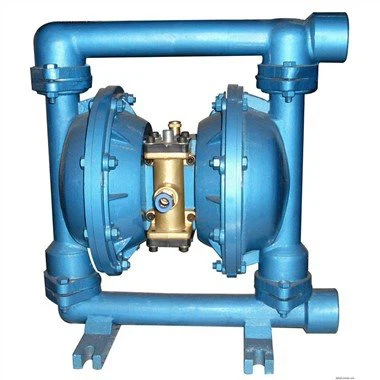
Overview of Ship Water Treatment Equipment
Jun 02, 2023
Introduction: Ship water treatment equipment plays a vital role in ensuring the efficient and safe operation of vessels. These systems are designed to purify and treat various types of water on board ships, including seawater, freshwater, and wastewater. In this article, we will provide an overview of the different types of water treatment equipment commonly found on ships.
Freshwater Treatment Equipment: Freshwater treatment equipment is responsible for converting seawater or brackish water into potable water suitable for various onboard applications. The main components of freshwater treatment systems include:
a) Reverse Osmosis (RO) Systems: RO systems utilize semi-permeable membranes to remove salts, impurities, and contaminants from seawater, producing fresh drinking water.
b) Electrochlorination Systems: These systems use the process of electrolysis to disinfect seawater and eliminate harmful microorganisms, providing safe and clean freshwater for drinking, cooking, and other essential needs.
Ballast Water Treatment Equipment: Ballast water treatment systems are installed to prevent the transfer of harmful aquatic organisms and pathogens between different marine environments. The primary technologies used for ballast water treatment are:
a) Filtration Systems: These systems remove large organisms and sediments from ballast water through physical filtration processes, typically using screens or filters.
b) Disinfection Systems: Disinfection technologies such as ultraviolet (UV) radiation or chemical dosing are employed to kill or inactivate smaller organisms, including bacteria and viruses, present in ballast water.
Wastewater Treatment Equipment: Wastewater generated on ships, including greywater and blackwater, must be treated before discharge to prevent marine pollution. Wastewater treatment systems commonly found on ships include:
a) Biological Treatment Systems: These systems utilize biological processes, such as aerobic or anaerobic digestion, to break down organic matter and remove contaminants from wastewater.
b) Membrane Filtration Systems: Membrane-based filtration systems, such as microfiltration or ultrafiltration, are used to separate suspended solids and other impurities from wastewater.
c) Chemical Treatment Systems: Chemical treatment methods involve the addition of chemicals to wastewater to facilitate the precipitation or neutralization of pollutants before final discharge.
Conclusion: Ship water treatment equipment plays a crucial role in maintaining the availability of clean and safe water on board vessels while minimizing the environmental impact. Freshwater treatment equipment ensures a reliable supply of potable water, ballast water treatment systems protect marine ecosystems, and wastewater treatment equipment helps maintain water quality standards. By employing these different types of water treatment equipment, ships can operate efficiently, comply with environmental regulations, and uphold sustainable practices in the maritime industry.